
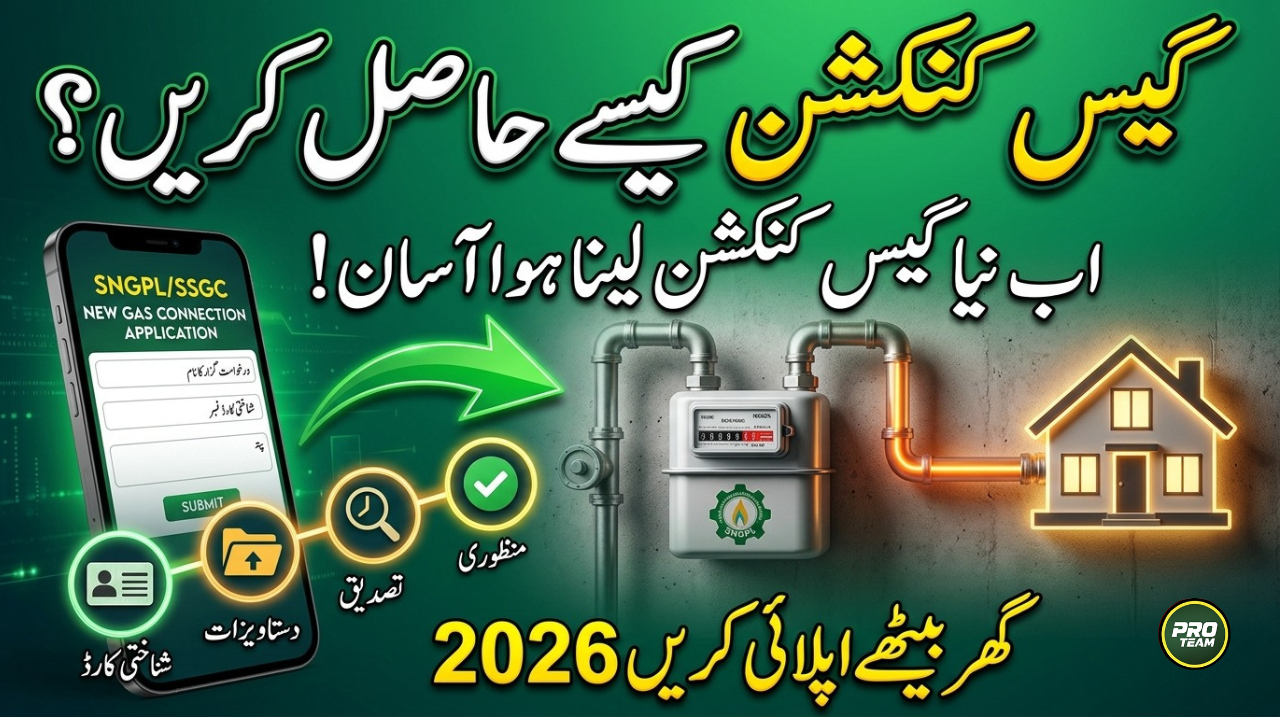
The era of waiting years for a natural Gas Connection Pakistan is finally ending as the Government of Pakistan has moved toward an RLNG-based domestic gas system in 2026. Because local natural gas reserves are limited, authorities have shifted new domestic connections to imported RLNG, allowing thousands of households to install gas meters through a more transparent and digital application process.
Many families who previously relied on expensive LPG cylinders can now apply for a stable pipeline supply for their kitchens and homes. Although RLNG tariffs are higher than traditional natural gas, the reliability and convenience of a permanent gas connection make it a practical option for modern households. By following the updated online registration procedure for 2026, applicants can move from the initial survey stage to meter installation without unnecessary delays.
| Service Category | Official Information 2026 |
| Connection Type | RLNG (Imported Gas) |
| Application Mode | 100% Online Registration |
| SNGPL Area | Punjab, KP, Islamabad |
| SSGC Area | Sindh and Balochistan |
| Average Tariff | Around 70% Higher than Local Gas |
What is the New RLNG Gas Connection Policy 2026?
In 2026, new domestic Gas Connection Pakistan are mainly issued through the RLNG system. This change has been implemented because existing natural gas reserves are reserved for current consumers. Under the new policy, companies such as Sui Northern Gas Pipelines Limited and Sui Southern Gas Company process new applications for imported RLNG supply instead of local gas.
While the monthly tariff is higher, the approval and installation process is now significantly faster. Some applicants can even request an urgent installation category if the required pipeline infrastructure already exists near their property. The digital application system also allows applicants to track their demand note status online without visiting gas company offices.
Who is Eligible for a New Gas Meter in 2026?
To apply for a new Gas Connection Pakistan in 2026, the property must be a completed house or apartment located in an area where the gas pipeline network already exists. The applicant must possess a valid CNIC, and the property documents must be registered in their name or in the name of a close family member who can provide a No Objection Certificate. Applications are rejected if the address already has a gas connection or if there is any history of gas theft or unpaid bills associated with the premises. The house must also have an internal gas pipeline installed according to the safety standards defined by the Oil and Gas Regulatory Authority.
Constructed Property: The house must be fully constructed with walls and a roof so the inspection team can verify the site.
Pipeline Proximity: The main pipeline should generally be within approximately 100 feet of the property.
Property Ownership: Applicants must provide property registry documents, an allotment letter, or a valid sale deed.
Clean Record: The property must not have any previous record of unpaid bills or gas theft.
Affidavit Requirement: A stamped affidavit confirming acceptance of RLNG tariffs and safety rules is required.
How to Apply Online for Gas Connection Step-by-Step?
The application process for a new Gas Connection Pakistan in 2026 is handled through the official websites of the respective gas companies. Applicants must visit the online portal of the company serving their region and select the option for a new domestic connection. After filling in personal information such as CNIC number, mobile number, and email address, the applicant must upload scanned copies of the required documents. In many cases, the system also asks for a neighbor’s gas bill reference number to help identify the exact location of the property. Once the application is submitted, a tracking ID is generated, which allows the applicant to monitor the progress of the survey, demand note issuance, and installation stages.
| Process Stage | Action Required by Applicant |
| Online Form | Submit application on SNGPL or SSGC portal |
| Document Upload | Upload CNIC copy and property documents |
| Site Survey | Allow inspection team to visit property |
| Demand Note | Pay the issued fee at a designated bank |
| Installation | Schedule meter installation |
What Documents are Mandatory for Gas Application?
Incomplete documentation is one of the main reasons Gas Connection Pakistan applications are rejected. Applicants must submit a verified copy of their CNIC along with the official ownership documents of the property. A recent photograph showing the exterior of the house is also commonly required to confirm the construction status. Additionally, a legal affidavit on stamp paper must be submitted stating that the applicant accepts RLNG tariffs and agrees to comply with safety regulations. Tenants must provide a signed NOC from the property owner along with the owner’s CNIC copy to allow installation of the gas infrastructure.
How to Track Your Gas Connection Status Online?
After submitting the application, the tracking ID provided by the system can be used to check the status of the request online. By logging into the company’s portal or mobile application, applicants can see whether their file is pending survey, approved, or waiting for demand note payment. If the survey team identifies any issues, such as missing documents or incomplete internal gas piping, the system will display the reason for the delay. Applicants can then resolve the issue and request another inspection without needing to visit the office in person.
Conclusion
The How to apply for gas connection Pakistan procedure 2026 guide highlights the shift toward faster and more transparent gas connection services through the RLNG system. While the cost of imported gas is higher than traditional natural gas, the new policy provides households with a quicker path to obtaining a legal gas supply. By submitting accurate property documents, completing the online registration properly, and paying the demand note on time, applicants can significantly reduce delays in the installation process. As Pakistan continues to modernize its energy infrastructure, digital application systems are making it easier for households to obtain reliable fuel connections for daily use.
Frequently Asked Questions (FAQs)
- Is there still a ban on new gas connections in Pakistan in 2026?
Traditional natural gas connections remain restricted, but new RLNG-based connections are available for domestic applicants through the online system. - How expensive is RLNG compared to local gas?
RLNG tariffs are usually about 70 percent higher because the fuel is imported and priced according to international markets. - Can I track my gas connection application online?
Yes, applicants receive a tracking ID that can be used on the official gas company portal to check the application status. - Where can I apply for a new gas connection?
Applications must be submitted through the official online portals of the respective gas companies serving your area.